Z-Image Turbo vs Midjourney vs FLUX: A Practical Comparison Framework
Compare AI image generators without marketing hype: use the same prompts, aspect ratios, review criteria, and disclosure rules before choosing a model.
By Z-Image Photo Editorial Team
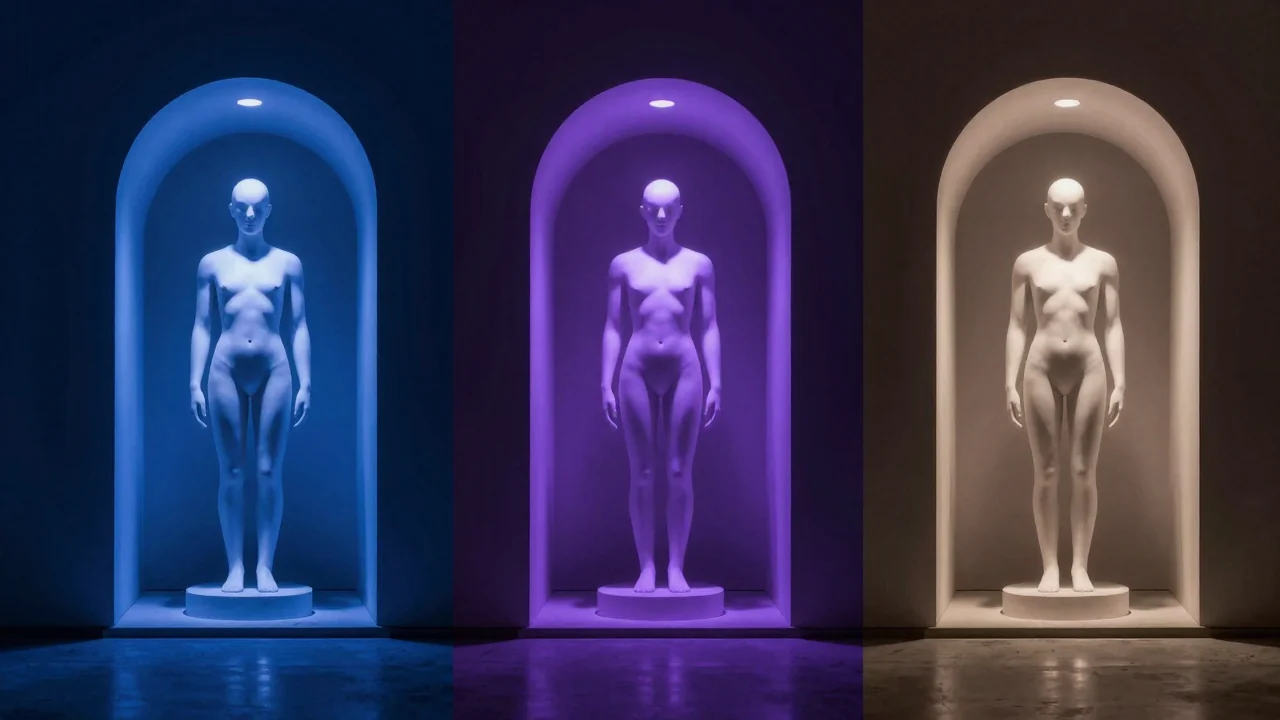
Model comparisons age quickly. Midjourney, FLUX, and Z-Image each have multiple versions, interfaces, and provider settings, so a universal winner claim is rarely useful. This guide explains how to run a repeatable comparison and where the official Z-Image documentation positions Turbo.
742062 and visually represents a same-subject comparison.
Start with the job, not the leaderboard
A model that produces an attractive fantasy illustration may not be the best choice for a product photo, a bilingual menu, or a predictable API workflow. Define the task and the acceptance criteria first.
| Criterion | What to inspect | How to test fairly |
|---|---|---|
| Prompt adherence | Subject count, placement, action, color | Use the same concrete prompt and record all settings |
| Text rendering | Exact letters, Chinese characters, spacing | Ask for one short phrase before testing complex layouts |
| Photorealism | Skin, hands, reflections, material behavior | Review at full size, not only a thumbnail |
| Workflow | Speed, API access, editing, repeatability | Measure the complete user workflow, not model inference alone |
What the official Z-Image sources establish
The Z-Image project documents a 6B-parameter family, an eight-forward-pass Turbo model, bilingual English and Chinese capabilities, photorealistic generation, and deployment within 16GB VRAM. These are model-author claims supported by its technical report and model card; they are not proof that every prompt will beat every competitor.
A reusable five-prompt test set
- A close portrait with a specified age, expression, lens look, and two light sources.
- A clear glass bottle on metal with accurate reflections and no text.
- A street sign containing exactly one English word.
- A bilingual sign containing two Chinese characters and one English word.
- A scene with three people performing distinct actions in fixed positions.
Generate at least four seeds per model. Record failures as well as successes. If one service automatically rewrites prompts, disclose that because it changes the comparison.
Which model should you choose?
Choose based on the output you can reproduce, the rights and pricing that fit your project, and the workflow you actually need. Z-Image Turbo is compelling when fast open-model generation, photorealism, or Chinese and English prompting matter. Other tools may offer different editing ecosystems or house styles. Test them with your own acceptance criteria instead of relying on a single ranking.
You can use our Z-Image generator to create one side of your comparison, then read the source-backed Z-Image feature guide before interpreting the result.
Sources and test record
The cover image was generated with Z-Image using seed 742062. AI-generated images and lettering can contain errors; inspect outputs before publishing.
Show the cover prompt
Three distinct luminous image-making portals side by side in a dark gallery, each producing a different visual style from the same simple white sculpture, balanced comparison composition, no logos or readable text.
Try these ideas in the generator
Open the AI image generator and test the prompts, styles, and text-to-image workflows from this article.
Related Articles
Keep exploring more prompt guides, model comparisons, and AI image generation tutorials.
Z-Image Turbo vs FLUX: A Same-Prompt Test Protocol
A fair comparison framework for Z-Image Turbo and FLUX that separates prompt adherence, text, material rendering, anatomy, diversity, latency, and hardware conditions.
Z-Image Turbo vs Nano Banana: Which Image Model Fits Your Workflow?
A source-backed comparison of Z-Image Turbo and Google Nano Banana across deployment, generation, editing, reference images, text rendering, speed, provenance, cost model, and production fit.
50 Z-Image Turbo Prompts Tested: What Actually Works
Patterns from 50 documented Z-Image generations across portraits, products, architecture, fantasy, illustration, nature, and text-bearing scenes.